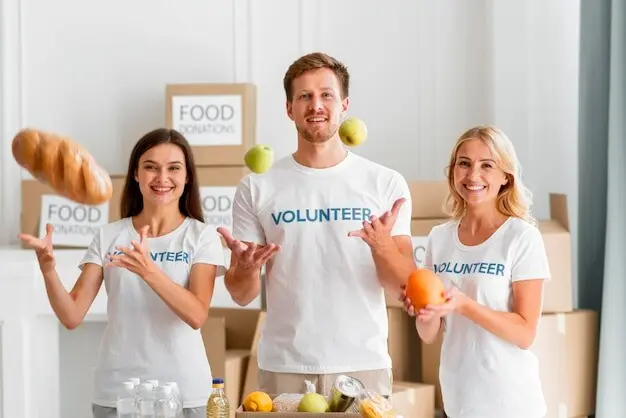
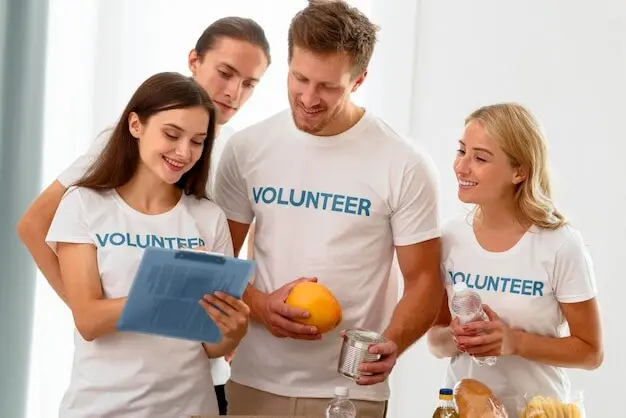
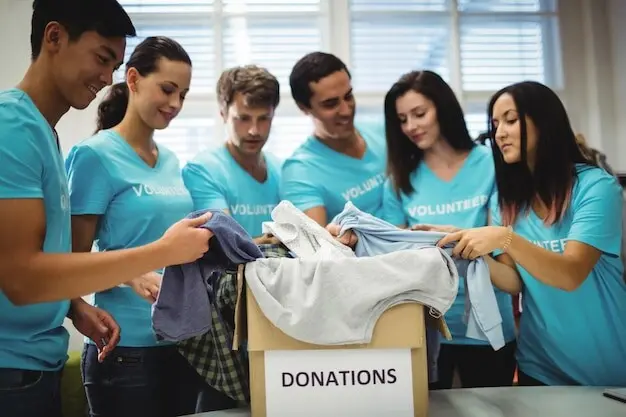
A neighborhood pantry rewrote 'end hunger locally' into micro-metrics: five families mapped to distribution days, two recipes translated, one store asked for surplus at closing time. Each line turned into a task card with links, examples, and a done definition, allowing new volunteers to contribute immediately.
Rigid checklists can flatten nuance, while vagueness drains momentum. Write acceptance criteria that breathe: one clear outcome, two or three observable behaviors, and a sample artifact. Include space for context notes and edge cases. This balance welcomes creativity, protects quality, and shortens review without stifling judgment.
State what the task will not cover, the maximum time expected, and when to stop and ask. Link to a parent goal so volunteers understand trade-offs. These guardrails reduce rework, defend limited energy, and keep micro-tasks appropriately small, yet meaningfully connected to outcomes.
Map the very first path: click link, skim one paragraph, pick from three tasks, submit through a simple form. A coastal cleanup used this flow and doubled weekend participation. Momentum thrives when the first success requires no accounts, downloads, or intimidating choices.
Write instructions at an eighth-grade reading level, add alt text, and avoid color-only cues. Provide audio options and mobile-first forms. Time-box tasks to respect fatigue and attention diversity. Inclusion expands talent pools, safeguards dignity, and helps every supporter contribute comfortably, safely, and proudly.