Tiny Moments, Lasting Good: Volunteering That Fits Family Life
One Action, Many Ripples
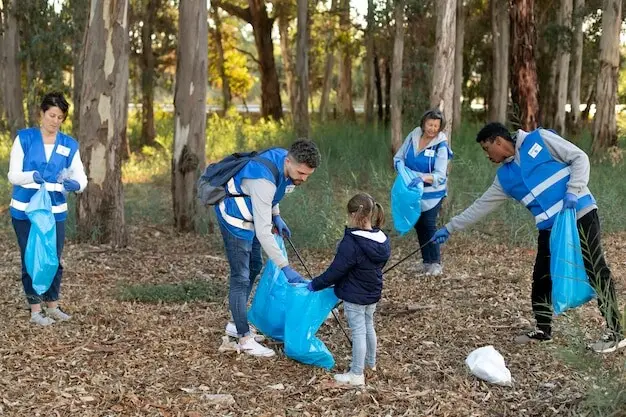
A single thank-you note, a litter pickup, or a few typed words might seem tiny, yet kids notice the smiles, cleaner corners, and grateful replies. Track results together, celebrate small wins, and explain how repeated micro-moments compound into community trust, confidence, and lifelong generosity.
A Kitchen-Table Story
One rainy Tuesday, Maya and her son sorted spare toiletries into small care kits between homework pages. It took ten minutes, tops. The next day, they handed the kits to a shelter volunteer who beamed. Later, her son whispered, “We made waiting feel shorter.” That brief, beautiful sentence became their family’s north star for future five-minute missions.
Conversation Seeds
Use each quick action to open age-appropriate chats about fairness, privacy, consent, dignity, and impact. Ask, “Who benefits today?” and “What choices keep everyone safe?” Invite kids to propose variations, notice unintended consequences, and request feedback. Dialogue turns fleeting helpfulness into wiser, repeatable practice anchored in shared values.
Five-Minute Missions for Busy Weeknights
Digital Good Deeds from the Kitchen Table
Neighborhood Kindness You Can Count On
Little Free Library Love
Chalk the Walk
Pollinator Boost in a Pocket
Grow Skills, Curiosity, and Empathy Together
Math, Reading, and Real-World Purpose
Turn counts, tallies, and checklists into mini lessons. Compare bar charts of litter collected, read donation guidelines, and estimate postage. Little hands practice handwriting while big kids summarize outcomes in two sentences. Celebrate mistakes as data, revise together, and notice how academic muscles grow fastest when they are serving neighbors, natural spaces, and shared hopes.
Perspective-Taking Moments
Before delivering help, pause and imagine receiving it. What packaging feels dignified? Which words sound respectful? Who decides timing? Let children role-play recipient and volunteer, noticing feelings that arise. This simple practice reduces assumptions, centers kindness, and leads to gentler, more effective micro-actions shaped by empathy rather than hurry, habit, or unexamined convenience.
Reflection That Sticks
After each mission, ask three questions: What surprised you? Who will feel this? What could we try next time? Capture answers on colorful cards, add a date, and clip them into a visible chain. Soon children can literally see their kindness lengthen, reinforcing identity, commitment, and delight every time the chain wiggles in a breeze.
Make It Stick: Rituals, Rewards, and Real Impact
Stack with Habits You Already Have
Link actions to moments that already happen: while tea steeps, write one card; during toothbrushing music, classify ten photos; before backpacks by the door, add one pantry item to the tote. Visual cues reduce friction, and children learn change arrives gently through repetition, rhythm, and small promises kept without drama.
Celebrate Without Bragging
Link actions to moments that already happen: while tea steeps, write one card; during toothbrushing music, classify ten photos; before backpacks by the door, add one pantry item to the tote. Visual cues reduce friction, and children learn change arrives gently through repetition, rhythm, and small promises kept without drama.
Measure What Matters to Kids
Link actions to moments that already happen: while tea steeps, write one card; during toothbrushing music, classify ten photos; before backpacks by the door, add one pantry item to the tote. Visual cues reduce friction, and children learn change arrives gently through repetition, rhythm, and small promises kept without drama.

All Rights Reserved.